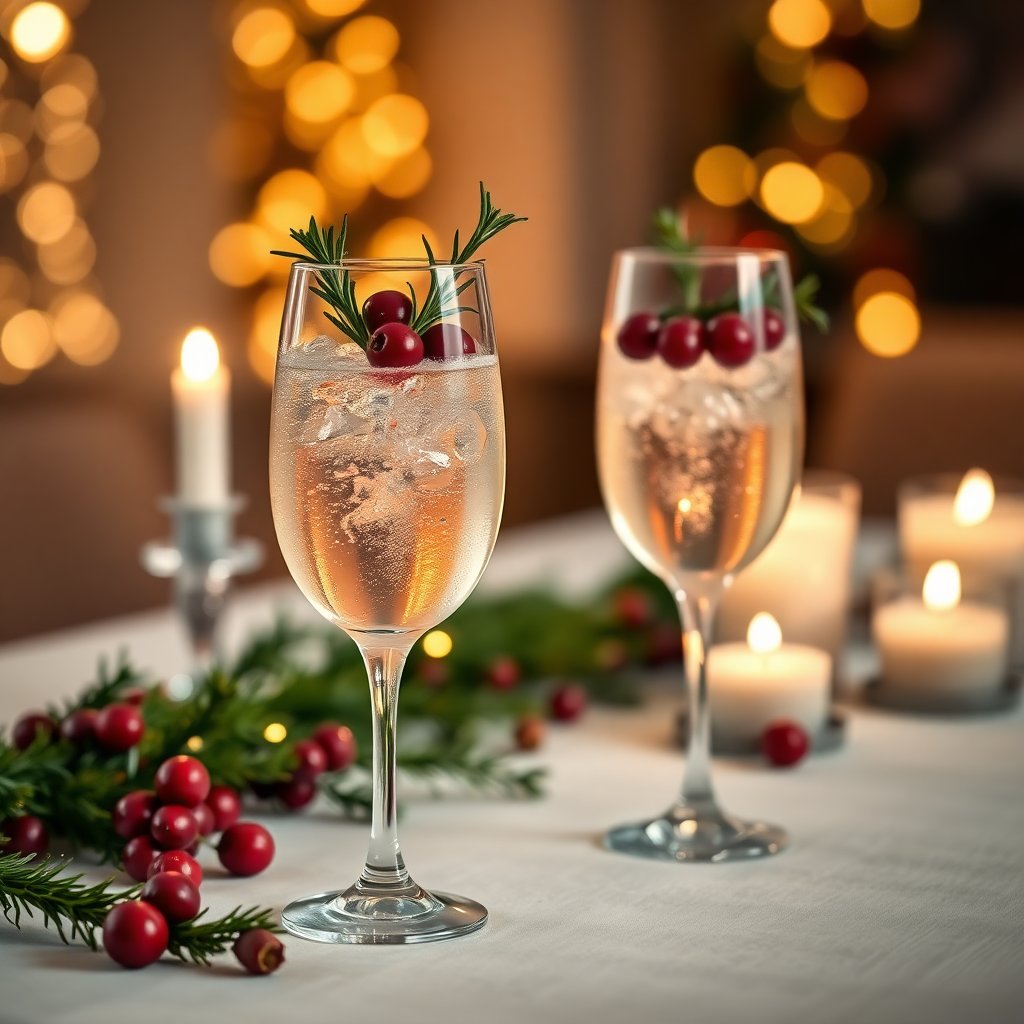
The holiday season is coming: office parties, Friendsgiving, family dinners, a toast at every turn. And for many women in their forties and early fifties, there is a new and slightly confusing pattern. The same glass of wine that used to feel relaxing now seems to bring a flush of heat, a racing heart at 3 a.m., or a foggy, flat next day. Some women find they can no longer drink the way they did at 35, even if their habits have not changed at all.
If that sounds familiar, you are not imagining it. This guide walks through what is known, and what is still uncertain, about alcohol in perimenopause, why the holidays can bring it into focus, and practical, non-judgmental ways to enjoy the season on your own terms.
Please note: this article is general information and not medical advice — talk to your doctor about your own drinking, symptoms, and medications. If you are worried about how much you drink, or find it hard to cut back, that is worth raising with a clinician; you can also find confidential help through the SAMHSA National Helpline at 1-800-662-4357.
Affiliate disclosure: as an Amazon Associate, this site may earn from qualifying purchases made through links on this page, at no extra cost to you.
Why Alcohol Can Feel Different in Midlife
Women process alcohol differently to begin with. According to the National Institute on Alcohol Abuse and Alcoholism (NIAAA), women tend to reach higher blood alcohol levels than men after drinking the same amount, partly because women generally weigh less and have less body water. The NIAAA also notes that women tend to develop alcohol-related health problems sooner and at lower drinking levels than men.
Body composition shifts with age. Through midlife, many people gradually lose some muscle and gain body fat. Because alcohol distributes through body water, these changes may mean the same drink produces a somewhat stronger effect than it used to. The size of this effect varies a lot from person to person.
Hormones are in flux. Perimenopause is defined by fluctuating estrogen and progesterone, and those swings affect temperature regulation, sleep, and mood. Researchers are still working out exactly how alcohol interacts with these changes, but many women report that alcohol makes perimenopausal symptoms they already have more noticeable.
Tolerance for poor sleep drops. If perimenopause has already made your sleep lighter, anything else that disrupts sleep can tip a manageable night into a rough one.
Alcohol and Hot Flashes or Night Sweats
Alcohol is commonly listed as a possible hot flash trigger, alongside things like spicy food, caffeine, hot drinks, and warm rooms. Alcohol widens blood vessels near the skin, which is why many people flush when they drink, and that warmth may be enough to set off a hot flash in someone who is already prone to them.
The evidence is mixed. Studies on alcohol and hot flashes have not all agreed, and some have found no clear link, or even associations in the other direction. That is one reason clinicians often suggest a personal experiment rather than a blanket rule: notice whether your own hot flashes or night sweats are worse on nights you drink, and adjust from there. The Menopause Society offers patient resources on identifying and managing triggers.
For more on what drives nighttime heat and what tends to help, see our guide to perimenopause night sweats.
Alcohol and Sleep
This is where the connection is clearest. Alcohol can make you feel drowsy and fall asleep faster, but it tends to disrupt sleep later in the night. The Sleep Foundation explains that sleep often becomes lighter and more fragmented in the second half of the night as blood alcohol levels fall, and that alcohol can reduce REM sleep. It also notes that drinking before bed can worsen snoring and sleep apnea, and it suggests stopping alcohol at least three hours before bedtime.
In perimenopause, when early-morning waking is already common, this second-half disruption can be especially noticeable: the classic "wide awake at 3 a.m., heart pounding, too hot" experience. If that is your pattern, our article on perimenopause sleep problems and hot flashes covers more ways to protect your nights.
Alcohol, Mood, and Anxiety
Many women in perimenopause notice more anxiety, irritability, or low mood than before. Alcohol is a depressant, and while a drink may feel calming in the moment, some people experience a rebound of anxiety the next day, sometimes called "hangxiety." Combined with poorer sleep, this can make mood feel less steady.
Some women also notice that alcohol seems to trigger a racing or fluttering heart. Palpitations in perimenopause are common and often harmless, but they should always be checked by a doctor, especially if they are new, frequent, or come with chest pain, dizziness, or shortness of breath. Our perimenopause heart palpitations guide explains when to seek care.
Longer-Term Health Considerations
The holidays are a short season, but midlife is a good time to look at the bigger picture. The NIAAA notes that even about one drink per day is associated with an increased risk of breast cancer in women compared with not drinking, and that women may be more susceptible to alcohol-related heart and liver problems. Alcohol can also affect bone health over time. None of this means a holiday toast is dangerous; it means your own risk profile, family history, and medications are worth discussing with your doctor.
Medications matter. Alcohol can interact with many common medications, including some sleep aids, antidepressants, and pain relievers. Ask your doctor or pharmacist whether anything you take does not mix well with alcohol.
Practical Ways to Enjoy the Holidays on Your Own Terms
There is no single right answer here. Some women decide to stop drinking entirely in perimenopause; others simply drink less or differently. A few low-pressure approaches:
Run a two-week experiment. Before the busiest stretch of parties, try a couple of weeks with less or no alcohol and track your hot flashes, sleep, and mood. A simple notebook or symptom app works. Real data about your own body is more useful than any general rule.
Set a "last call" time. Given the evidence on sleep, finishing your last drink a few hours before bed may help, even if you do drink.
Alternate drinks. Have a glass of water or sparkling water between alcoholic drinks. It slows the pace and keeps you hydrated.
Eat first. Drinking on an empty stomach tends to raise blood alcohol levels more quickly.
Pick a cooler option. If heat is your trigger, a chilled spritzer with plenty of soda water may feel better than a warm mulled drink or a strong cocktail.
Have a go-to alcohol-free drink. Bringing your own makes it easy to say "I'm good, thanks" without explaining.
Keep the bedroom cool. On party nights especially, a cool room, breathable bedding, and layers you can shed can make a difference.
Alcohol-Free Swaps That Still Feel Festive
The alcohol-free drinks category has grown enormously, and there are now plenty of options that feel celebratory rather than like a consolation prize.
Non-alcoholic sparkling wines and spirits. Alcohol-free sparkling wines, gin alternatives, and aperitifs make it easy to join a toast. Taste varies a lot between brands, so a variety pack is a good way to find a favorite.
→ Shop non-alcoholic sparkling wine on Amazon
Mocktail kits and bitters. Cocktail syrups, shrubs, and aromatic bitters turn sparkling water into something that feels made for the occasion. (Note: traditional bitters contain a small amount of alcohol; look for alcohol-free versions if you are avoiding it entirely.)
→ Shop mocktail mixers and kits on Amazon
Pretty glassware. Serving a mocktail in a coupe or wine glass, with a sprig of rosemary or a few cranberries, makes it feel like a real drink. This also makes a thoughtful gift for a friend who is cutting back.
→ Shop coupe and cocktail glasses on Amazon
A home sparkling water maker. If you find yourself reaching for bubbles more often, a countertop carbonator can be a fun, practical purchase.
→ Shop sparkling water makers on Amazon
For the night after. If night sweats are part of your picture, cooling bedding can help you sleep more comfortably whether or not you drink.
→ Shop cooling pillowcases and sheets on Amazon
Navigating the Social Side
One of the hardest parts of drinking less at the holidays is other people noticing. A few gentle scripts:
- "I'm pacing myself tonight."
- "I've been sleeping so much better without it."
- "I'm driving." (Always a fair answer.)
- Or simply: "No thanks, I'm good."
You do not owe anyone an explanation about your hormones or your health. Holding a drink you enjoy, alcohol-free or not, usually ends the conversation before it starts.
When to Talk to Your Doctor
Consider booking an appointment if:
- Hot flashes, night sweats, or sleep problems are affecting your daily life, with or without alcohol.
- You have palpitations, chest discomfort, or dizziness.
- You are drinking more than you intend to, or using alcohol to cope with anxiety, low mood, or sleep problems.
- You take medications and are not sure how they interact with alcohol.
- You want to talk through treatment options for perimenopausal symptoms, including hormonal and non-hormonal approaches.
The Bottom Line
Alcohol can feel different in perimenopause, and the holidays tend to make that obvious. The clearest evidence links alcohol to lighter, more broken sleep; the link to hot flashes is less certain and seems to vary from woman to woman. Rather than following a strict rule, notice how your own body responds, set a few simple boundaries like an earlier last call, and keep a festive alcohol-free option on hand. And bring your doctor into the conversation, especially if symptoms are disrupting your life. This is general information, not medical advice — talk to your doctor about what is right for you.
As an Amazon Associate we earn from qualifying purchases. This article contains affiliate links; if you buy through them we may earn a small commission at no additional cost to you.